
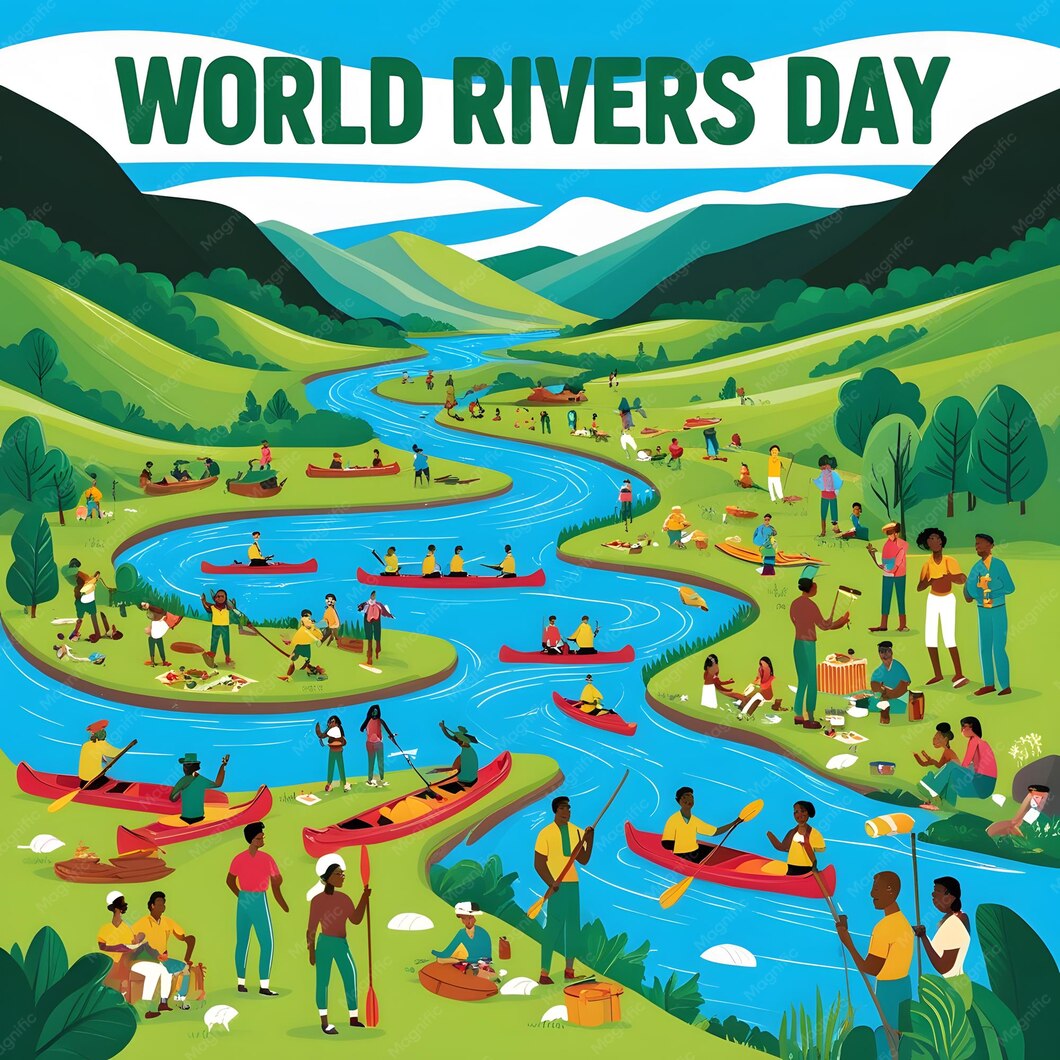
This Sunday is World Rivers Day. For the MAP Forum, it is a moment to take stock of the three rivers that gave us our name, and to ask what it will take to bring them back to health.
World Rivers Day is celebrated on the last Sunday of September, which this year falls on 27 September. It is a day to appreciate rivers and to draw attention to the threats they face. For the MAP Forum, it is personal. Our organisation was founded around the Moreleta, Apies and Pienaars river sub-catchments in Tshwane, and although our work has grown to cover water issues across South Africa, these three rivers remain our home. So, on World Rivers Day, here is an assessment of how they are doing.
The Moreleta: 21 months of sewage
The Moreleta Spruit rises in the east of Pretoria and flows north through some of the city’s most established suburbs, including through the Moreleta Kloof Nature Reserve, before joining the Hartbeesspruit and eventually the Pienaars River system.
The river’s most urgent problem is a collapsed sewer pipeline near Murrayfield. According to the DA’s Gauteng environment spokesperson, Leanne de Jager, the leak began in December 2024, after an embankment supporting the pipeline gave way, and the city acknowledged it in March 2025. A repair carried out in March 2026 failed within weeks, and a temporary bypass was later damaged as the embankment continued to deteriorate. As of early September, raw sewage had been flowing into the river for more than 21 months.
The City of Tshwane says it cannot begin permanent construction until it receives environmental authorisation, and has appointed a consultant to run the required basic assessment. The DA says the city has missed its own deadlines in that process. Residents nearby, some of whom rely on boreholes, worry about contamination of groundwater as well as the river itself.
The Apies: progress at Rooiwal
The Apies River flows through the heart of Pretoria and north towards Hammanskraal. For years its biggest polluter was the Rooiwal wastewater treatment works, whose poorly treated effluent contributed to the water crisis in Hammanskraal and the deadly cholera outbreak of 2023.
Here there is genuine progress to report. Rehabilitation of Rooiwal is under way, aimed at bringing its effluent into line with the standards needed to protect the river, and the expanded Klipdrift water treatment works serving Hammanskraal was reported in May to be producing its full 50 megalitres a day. The Apies is far from clean, but the most important source of its pollution is finally being addressed.
The Pienaars and Roodeplaat: a long struggle
The Pienaars River collects water from much of north-eastern Tshwane, including the Moreleta and Hartbeesspruit, and feeds Roodeplaat Dam, a regional water source and recreation area. Its problems are long-standing. In 2021, the Department of Water and Sanitation took the City of Tshwane to court over sewage sludge and waste flowing into the Pienaars and Roodeplaat, linked to failures at the Baviaanspoort wastewater works. At the time, the Human Rights Commission heard that the problems at Roodeplaat had begun as early as 2004.
Today, the dam continues to suffer from eutrophication. A 2025 study found phosphorus and nitrate levels above permissible limits near wastewater outlets, feeding the excessive growth of algae and plants. Every litre of sewage that enters the Moreleta adds to that load.
The wider picture
Our home rivers reflect a provincial and national pattern. WaterCAN’s testing found unsafe bacteria levels in 21 of 23 Gauteng river samples. The 2025 Green Drop report found that Gauteng’s share of wastewater systems in a critical state had risen from 15 to 38 percent. The Department of Water and Sanitation reported in June that it had 96 active sewage pollution cases against municipalities nationally, but only one decision to prosecute.
At the same time, there are reasons for hope. Ekurhuleni’s wastewater works took the top three places in this year’s Green Drop rankings, showing that a Gauteng metro can treat sewage properly. The Water Services Amendment Bill promises tougher accountability. And citizen monitoring, from WaterCAN’s testing to the work of groups like Hennops River Revival, is keeping pressure on municipalities.
What you can do this World Rivers Day
Rivers recover when people pay attention to them. This World Rivers Day, we invite readers to visit one of our home rivers, whether at the Moreleta Kloof Nature Reserve, along the Apies or at Roodeplaat, and to see their condition for themselves. Report sewage spills, illegal dumping and pollution to the City of Tshwane and to the Department of Water and Sanitation, and keep a record with photographs, dates and locations. Join or support local river clean-up and monitoring groups, and consider getting involved in citizen science through the Citizen Science Association for Southern Africa, whose formal registration was announced last year.
And hold the city to account. The Moreleta pipe has been broken for 21 months. The Pienaars has been polluted for two decades. These rivers deserve better, and with enough public pressure, they can get it.
References
DA Gauteng: 21 months later, raw sewage continues to flow into Moreleta Spruit (7 September 2026): https://dagauteng.org.za/2026/09/21-months-later-raw-sewage-continues-to-flow-into-moreleta-spruit
Daily Maverick: Gauteng’s rivers of filth, how broken pipes and sluggish justice poison waterways (13 July 2026): https://www.dailymaverick.co.za/article/2026-07-13-gautengs-rivers-of-filth-how-broken-pipes-and-sluggish-justice-poison-waterways/
Citizen (Rekord): Water and sanitation department takes Tshwane metro to court over river pollution (4 March 2021): https://citizen.co.za/news/south-africa/water-and-sanitation-dept-takes-tshwane-metro-to-court-over-river-pollution/amp
Engineering News: Despite delays, Hammanskraal water project makes progress (16 January 2026): https://www.engineeringnews.co.za/article/despite-delays-hammanskraal-water-project-progress-2026-01-16
SAnews: R12bn allocated to water infrastructure grants (17 May 2026): https://www.sanews.gov.za/node/81458
GroundUp: Pollution is killing Gauteng’s fresh water sources (March 2026): https://groundup.news/article/pollution-is-killing-gautengs-fresh-water-sources/
MAP Forum: Official registration of CSA_SA and invitation to participate in next steps (11 October 2025): https://mapforum.co.za/official-registration-of-csa_sa-and-invitation-to-participate-in-next-steps/