
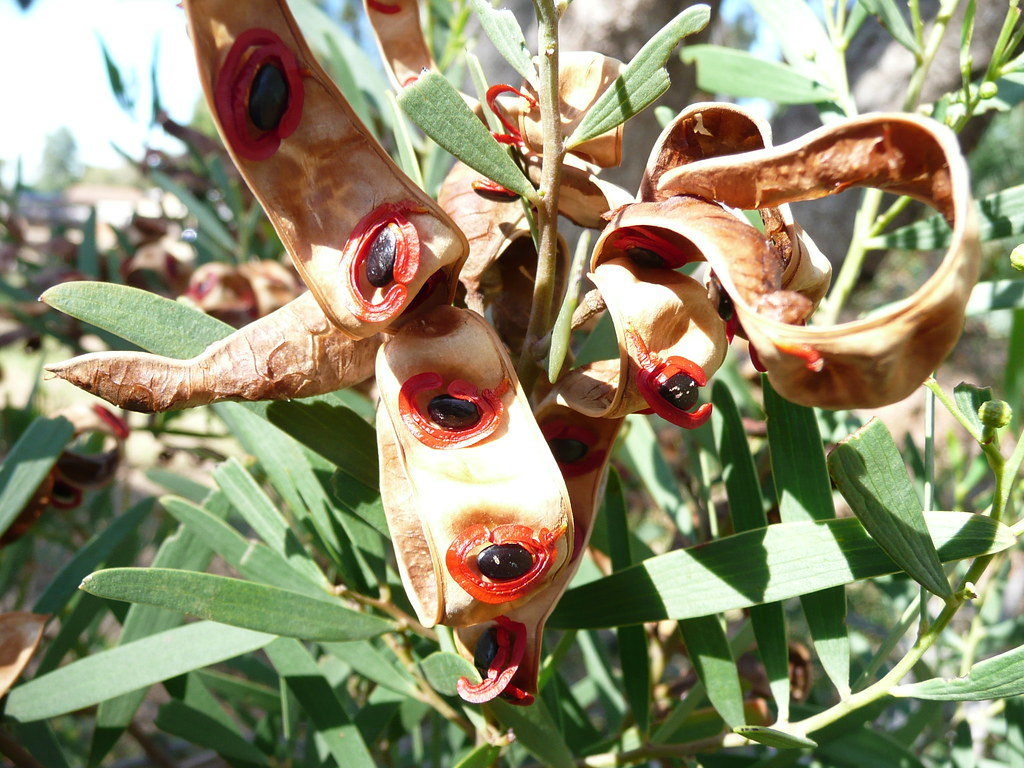
Invasive alien trees drink water that should be flowing into rivers and dams. In the Western Cape, teams of women clearing them have helped return more than 3.3 billion litres to the system. It is one of the most cost-effective ways to secure water supply.
When South Africans think about increasing water supply, they usually think of dams, pipelines and desalination plants. But one of the most effective sources of new water is far less dramatic: removing the invasive trees and shrubs that quietly drink it before it ever reaches a river.
The problem with invaders
Many of the plants that have spread across South Africa’s mountain catchments, riverbanks and wetlands were brought from other continents, often for timber, shade or ornament. Species such as pines, eucalyptus, wattles and other acacias grow quickly, spread aggressively and use considerably more water than the fynbos, grassland and indigenous vegetation they replace. In mountain catchments, the areas that feed rivers and dams, dense stands of these invaders can significantly reduce the amount of water that runs off into streams.
Invasive plants also increase the intensity of wildfires, crowd out indigenous species, destabilise riverbanks and choke watercourses. The problem is not confined to land. On the Vaal and at Hartbeespoort Dam, invasive floating plants such as water lettuce and water hyacinth have spread across the surface, feeding on nutrients from sewage pollution.
Women leading the work
In the Western Cape, the province that came close to running out of water during the drought of the late 2010s, a partnership between The Nature Conservancy and WWF South Africa has been working since 2015 to clear invasive species from critical catchment areas. The work, supported by South African Breweries through its global Cheers to Nature programme, is carried out largely by teams of women employed by small, Black women-owned businesses.
According to the partners, the clearing has covered thousands of hectares and returned more than 3.3 billion litres of water to local systems, water that now flows back into rivers, dams and underground reserves instead of being consumed by invasive trees. Invasive species clearing specialist Thandeka Mayiji-Rafu describes the work as restoring balance to nature and helping water flow back to communities.
The figures come from the sponsors and partners themselves, so they should be read as the programme’s own estimates. But the principle behind them is well established in South African water science.
A long South African tradition
South Africa has been a world leader in this kind of work. The government’s Working for Water programme, launched in the mid-1990s, combined invasive plant clearing with job creation, employing thousands of people from poor communities, many of them women, to clear catchments and riverbanks across the country. It became an internationally recognised example of how environmental restoration and social development can support each other.
The logic is compelling. Clearing invasive plants from catchments can increase water yields at a fraction of the cost of building new infrastructure, while also reducing fire risk, restoring biodiversity and creating local employment. Unlike a dam, it does not flood valleys or displace communities. Unlike desalination, it does not require large amounts of energy.
Why it is good news
The catch is that clearing is never a one-off job. Invasive plants regrow from seed banks and stumps, and cleared areas need follow-up treatment for years to stay clear. That requires steady funding and long-term commitment, which is exactly why partnerships between government, conservation organisations and business are valuable.
The Western Cape teams show what that commitment can produce: billions of litres of water returned, jobs for women in local communities and healthier catchments. It is a reminder that water security is not only about pipes and pumps. It also depends on looking after the landscapes where water begins.
What you can do
Invasive plants are not only a problem in remote mountains. They grow along urban streams, in gardens and on vacant land, including along the rivers the MAP Forum cares about in Tshwane. Residents can help by learning to identify common invasive species, removing them from their own properties in line with the national regulations on alien and invasive species, choosing indigenous plants for their gardens and supporting local river and conservation groups that organise clearing days. Every patch of riverbank returned to indigenous vegetation is a small contribution to keeping water in our rivers.
References
Daily Maverick (sponsored content): SAB highlights South African women restoring Western Cape water systems by clearing invasive plants (21 April 2026): https://www.dailymaverick.co.za/article/2026-04-21-sab-highlights-south-african-women-restoring-western-cape-water-systems-by-clearing-invasive-plant/
BusinessTech (presented by SAB): SAB spotlights South African women restoring water systems through invasive species clearing in the Western Cape: https://businesstech.co.za/news/industry-news/857454/sab-spotlights-south-african-women-restoring-water-systems-through-invasive-species-clearing-in-the-western-cape/
GroundUp: Pollution is killing Gauteng’s fresh water sources (March 2026): https://groundup.news/article/pollution-is-killing-gautengs-fresh-water-sources/