
How water infrastructure challenges threaten the country’s sustainability – and what’s being done to fix it.

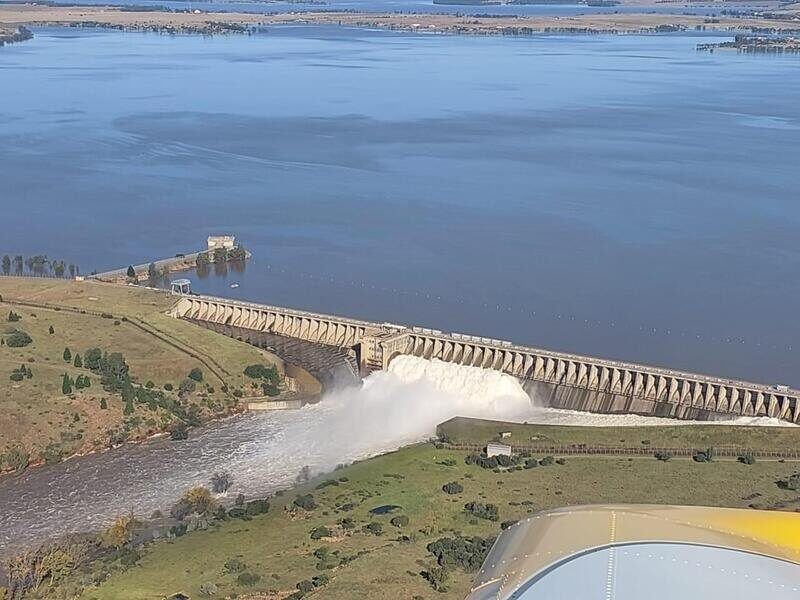
South Africa’s dams are under pressure. As climate patterns shift and infrastructure ages, the national water storage system faces unprecedented challenges. According to the Department of Water and Sanitation (DWS), national dam levels dropped from 92% full in early 2022 to around 79% by mid-2025 — with some provinces reporting critical lows.
Uneven Water Availability
While Gauteng and parts of KwaZulu-Natal benefit from stable dam storage — thanks to managed transfers from systems like Lesotho’s Katse Dam — other provinces tell a more worrying story. The Western Cape and Northern Cape are facing prolonged dry periods, with major dams like Clanwilliam and Karee operating below 40% capacity.
“Water security is no longer a regional issue—it’s a national priority,” says Lindiwe Dlamini, a hydrologist at the University of Pretoria. “Our urban and agricultural sectors both rely on systems that are increasingly interdependent and fragile.”

Aging Infrastructure and Leaks
Roughly 37% of South Africa’s treated water is lost through leaks and aging infrastructure — a staggering number that reduces effective storage and increases operational costs. Many municipal systems rely on pipes and pumps more than 40 years old, with little maintenance funding available.
💡 Fast Fact: The DWS reported that in 2024 alone, over 450 pipeline bursts occurred in Gauteng, wasting an estimated 60 million litres of potable water.

Government Intervention
The Department of Water and Sanitation’s National Water Resources Strategy (NWRS III) focuses on rehabilitating major dams and improving regional water transfers.
One major investment is the R24-billion Lesotho Highlands Water Project Phase II, expected to enhance Gauteng’s water security by 2028.
However, project delays and budget constraints have raised concerns among environmental watchdogs, who warn that mismanagement could undermine long-term gains.
Where South Africa’s Water Comes From (2024)
| Source Type | Share of National Supply |
|---|---|
| Large dams and reservoirs | 63% |
| Groundwater | 18% |
| Rivers and catchments | 12% |
| Recycled / desalinated water | 7% |